SITTING VOLLEYBALL
OVERVIEW & OBJECTIVE

Sitting Volleyball is an adapted form of volleyball designed to be inclusive, making it a sport that anyone can learn and play.
It is played by two teams of six on a smaller court with a lower net. Players are seated on the floor, their bum must keep contact with the floor while the ball is in play. To score a point, the ball has to land on the floor in the opposing team’s court. The first team to 25 points wins.
Key Rule Differences from Standing Volleyball:
Smaller court: 10m × 6m
Lower net: 1.05m (women/girls), 1.15m (men/boys)
Players must keep part of their buttocks or torso in contact
with the floor when playing the ball
Blocking the serve is allowed
Players may touch the net, but not the top white tape
When serving, players' buttocks must stay behind the end line
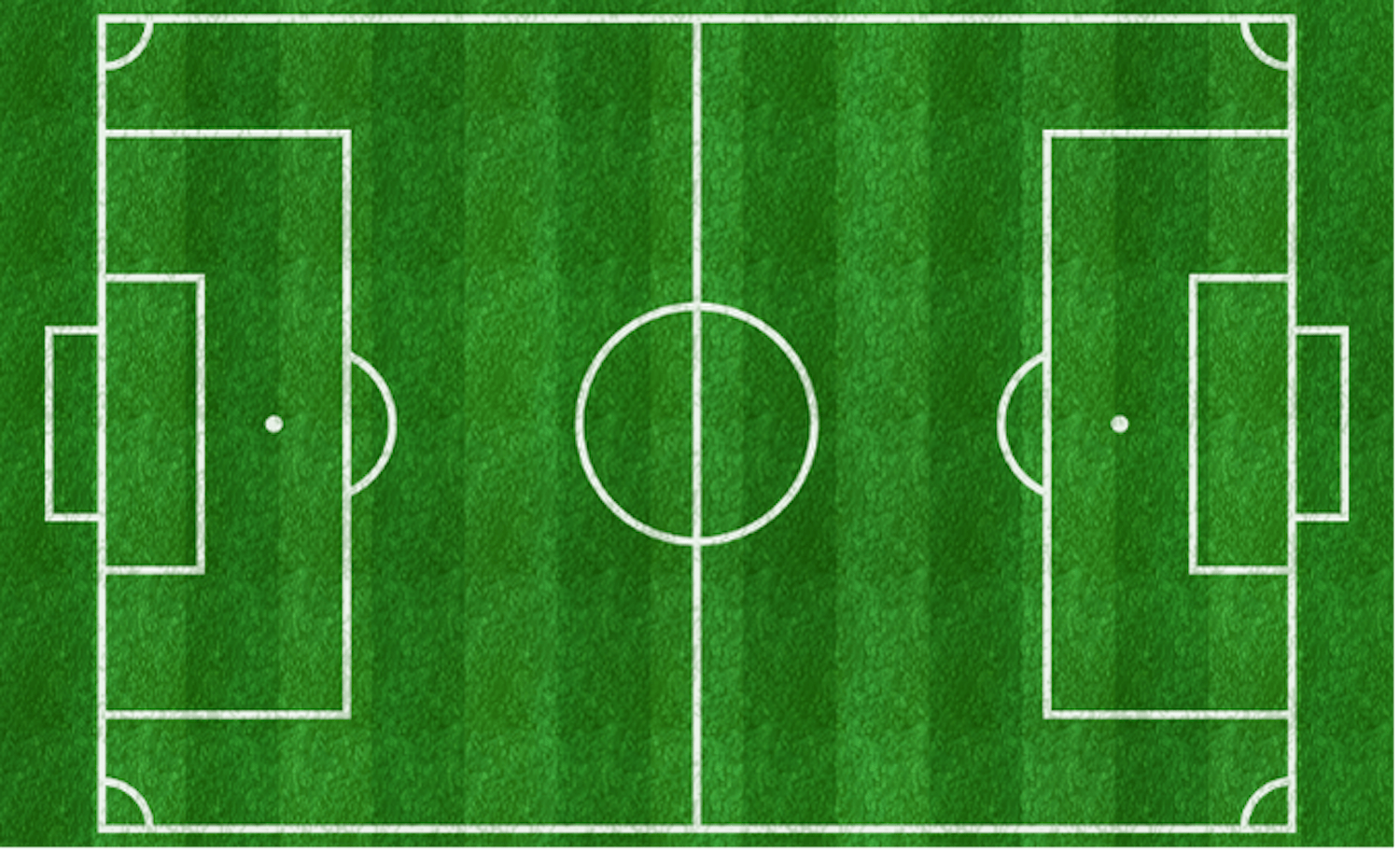
SITTING VOLLEYBALL COURT
EQUIPMENT
OFFICIAL
Equipment
Volleyball
Net (portable or in gym system)
Antennas (to define net boundaries)
Ball Cart
ALTERNATIVE
Equipment
Pickleball net
Lowered portable nets, benches or tape
Use lighter and larger balls (beach balls, bladder from Omnikin ball, or large fabric volleyballs)
SPACE Adaptations
Reduce court size and shape to lower physical demands (Youth court is played on 10m x 4m)
Lower the net or use a rope, tape, or benches as a net
Allow players to move within designated zones if needed
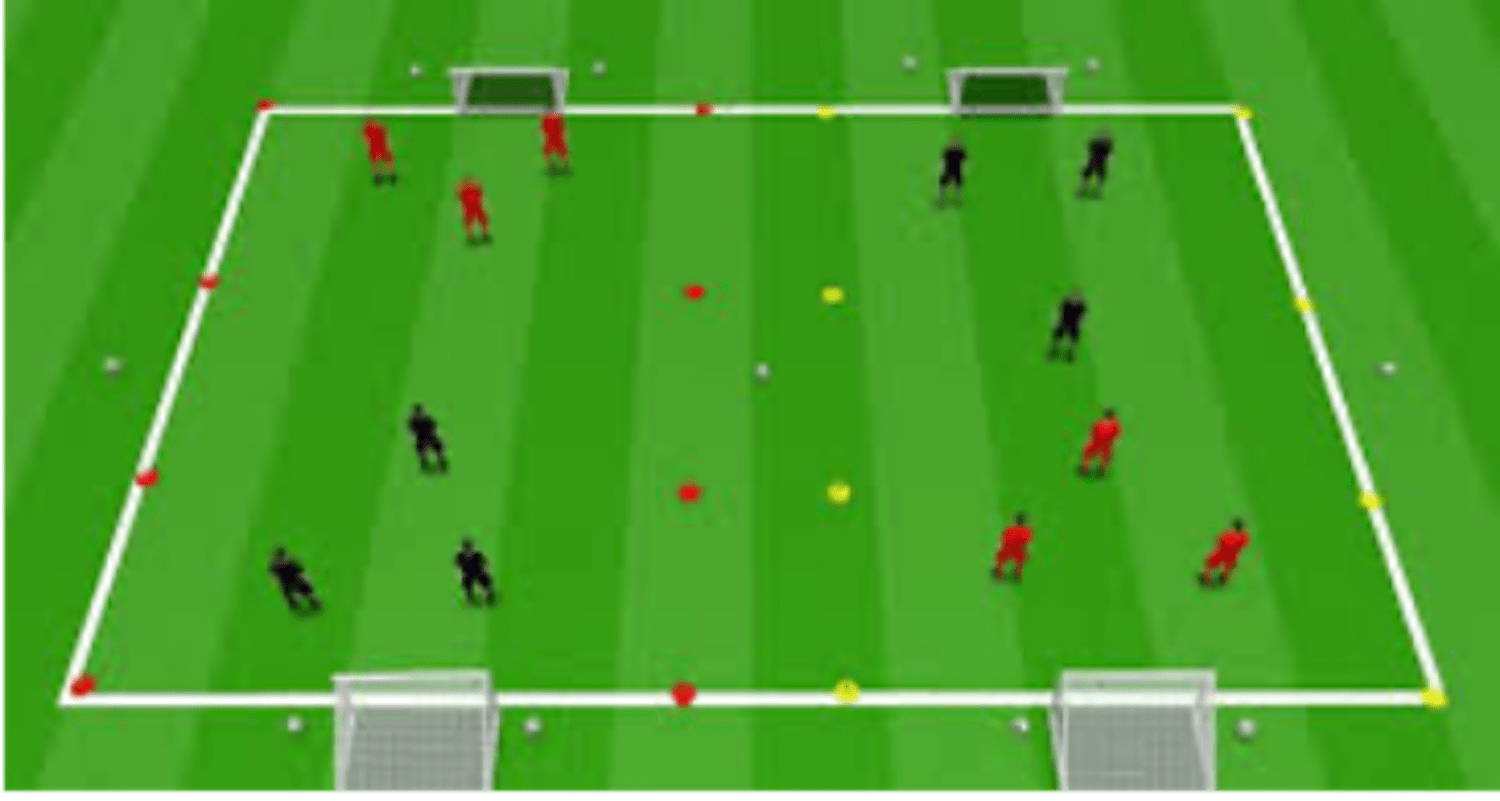
Two 3-on-3 Games
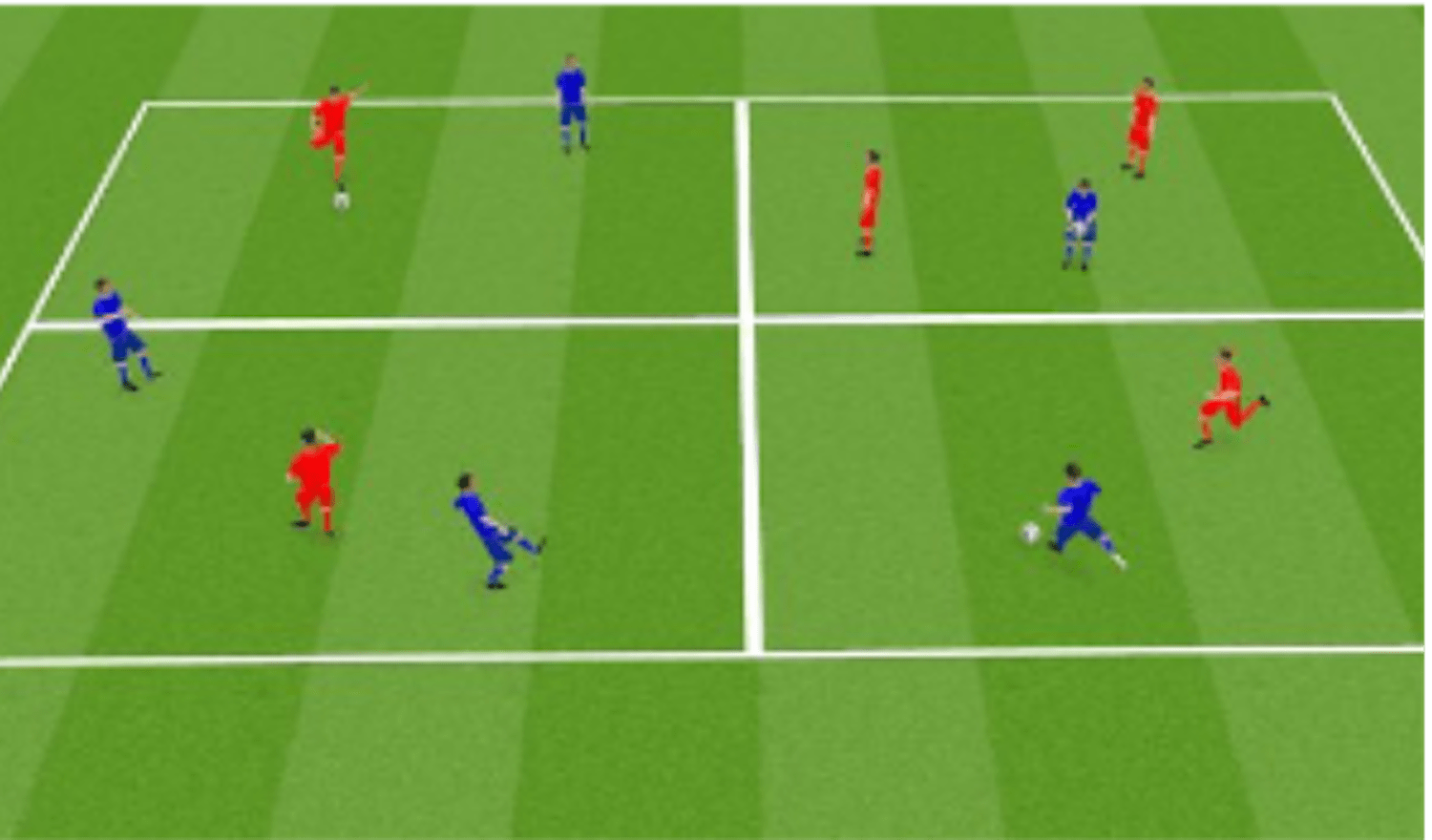
Four Sections to Practice Skills
TASK Adaptations
Simplify instructions by using clear, simple, language, visuals, and demonstrations
Allow catching and tossing before progressing to a volleyball skill
Allow the ball to bounce once before returning it
Allow extra contacts or simplify the serving distance
Allow the server to move closer to the net
Encourage teamwork, rallies, and communication over than scoring
EQUIPMENT Adaptations
Use a beach ball, volley-lite, or balloon
Lower the net height
Use floor markers or tape to define boundaries

PEOPLE Adaptations
Provide individualized goals
Pair less experienced players with supportive partners
Reduce team sizes to ensure everyone gets more touches
Use peer coaching or buddy systems for skill support
Rotate positions regularly so everyone participates
TEACHING CUES FOR MOVEMENT SKILLS
FOREARM PASS
OVERHEAD SETTING
SERVING
ATTACKING (SPIKING) and BLOCKING
FOREARM PASS
Create a strong, flat platform by extending both arms straight in front of the body. Place one hand over the other and keep the thumbs side by side and pointing forward.
While seated, lean slightly forward and keep part of the buttocks in contact with the floor.
Contact the ball on the forearms, between the wrists and elbows.
Keep the platform steady and use the shoulders and body to direct the ball toward the target.
OVERHEAD SETTING
Create a setting window by placing the hands above the forehead. Form a diamond shape with the thumbs and index fingers, with the fingers spread comfortably to match the shape of the ball.
While seated, lean slightly forward and keep part of the buttocks in contact with the floor.
Contact the ball just above the forehead using the fingertips.
Extend the arms and wrists to push the ball upward and toward the target, finishing with the fingers pointing in the direction of the set.
Photo courtesy of Défi sportif Altergo © François Mellet
SERVING
Sit behind the end line with the body turned about 45° to the net and the dominant shoulder slightly back.
Hold the ball in the non-dominant hand, out in front and slightly to the side of the body.
Make a fist or use the heel of an open hand with the dominant hand.
Swing the serving arm forward, striking the bottom half of the ball to lift it over the net.
Follow through toward the target, aiming for accuracy and control.
Keep the buttocks behind the end line until the ball has been contacted.
Photo courtesy of Défi sportif Altergo © François Mellet
ATTACKING (SPIKING) and BLOCKING
Attacking (Spiking)
Sit close to the net with body turned slightly sideways and non-dominant shoulder facing net.
Raise the dominant arm with the elbow bent and pulled back.
Swing arm forward in a throwing motion, contacting ball at the highest point above head.
Follow through towards the target.
Blocking
Sit close to the net, facing the opposing attacker.
Raise both hands above the head with the fingers spread wide.
Reach up, press hands over the net without touching it.
Keep the hands firm and together to block.
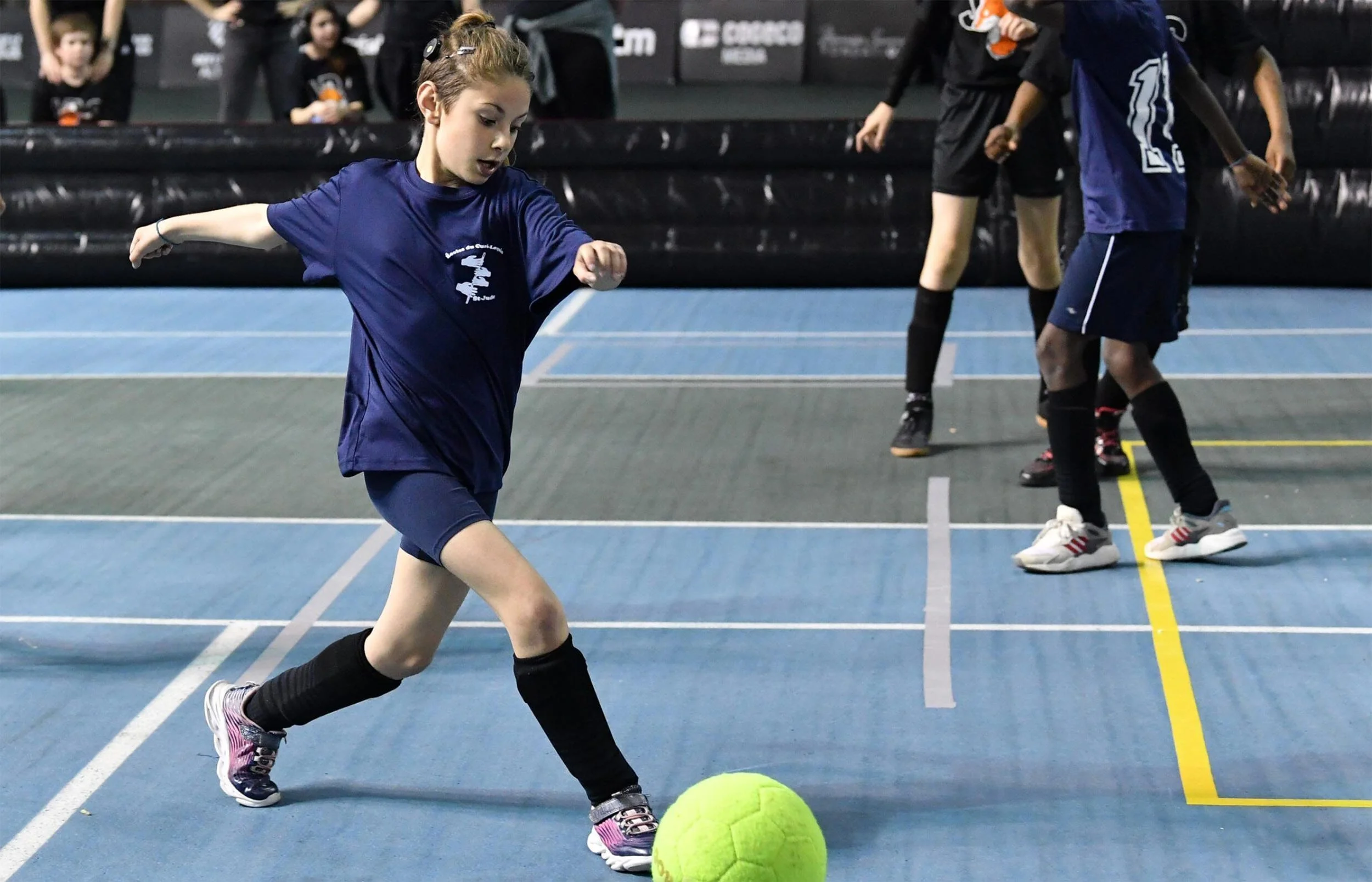
Photo courtesy of Défi sportif Altergo © François Mellet
ACTIVITIES & SKILL DEVELOPMENT
SKILL PRACTICE DRILLS
TRIPLE BALL
TOILET TAG - SITTING TAG GAME
SKILL PRACTICE DRILLS
Circle Pass Challenge (getting used to the ball using tossing and catching)
Students sit in a circle.
Pass the ball around the circle (throw and catch) without letting it touch the floor. This can be done with a volleyball, lite ball, or balloon.
Add a second ball for an extra challenge.
Keep It Alive (forearm pass and overhead setting)
Groups of 3–5 keep the ball off the floor.
Allow multiple contacts and encourage calling "Mine!"
Count the longest rally.
Partner Passing (forearm pass and overhead setting)
Partners sit 2–3 metres apart.
Pass the ball back and forth using forearm passes.
Challenge students to try to get consecutive passes.
TRIPLE BALL
Divide students into two teams of 6 players.
Team 1 serves and plays out the rally.
When the rally ends, the teacher tosses a free ball to the receiving team to begin a second rally.
After that rally ends, the teacher tosses a free ball to the serving team to begin a third rally.
After all three rallies have been completed, Team 2 rotates one position. The new player in Position 1 serves to start the next sequence.
Repeat the same three-rally sequence:
a. Serve and play the rally.
b. Free ball to the receiving team.
c. Free ball to the serving team.
After the three rallies, Team 1 rotates.
Continue until every player has rotated through each position on the court.
TOILET TAG - SITTING TAG GAME
Play in a large open area with no net or designate a specific area to encourage more movement.
Choose 3 players to be "It."
All other players move by scooting on their bottoms while trying to avoid being tagged.
When a player is tagged, they become a "toilet." They stay in place and raise one hand to act as the flush handle.
Players who have not been tagged can free a toilet by tapping their raised hand ("flushing" the toilet). The freed player rejoins the game and continues scooting.
Play for 3–5 minutes, or until all players have been tagged and turned into toilets.
ADDITIONAL LEARNING
REFERENCES
Session Curriculum. Soccability Canada. 2024 www.soccability.ca
Fundamental Movement Skills Cue Cards. School Physical Activity and Physical Literacy Project. 2025
Inclusion of Students of All Abilities in School-Based Physical Activity Experiences. PHE Canada. 2023. Retrieved May 15, 2025. School-Based Physical Activity Experiences for Students of All Abilities | PHE Canada.


Our gratitude to Volleyball BC and Volleyball Canada for sharing their curriculum with us, which is embedded throughout and supported the adaptations we have included.
The PLAY Resource HUB